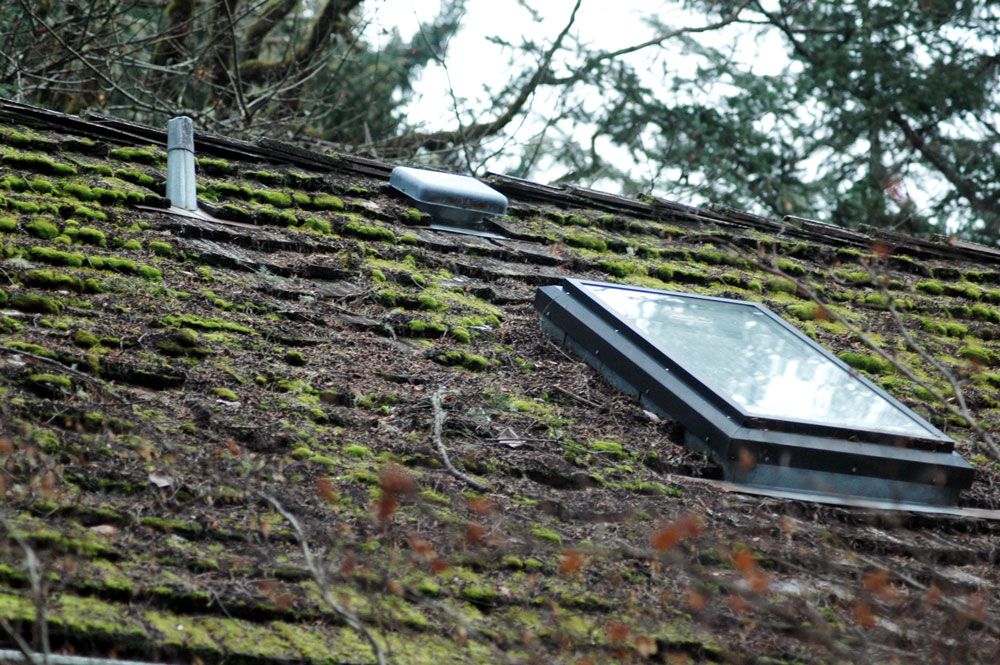
To some homeowners, a layer of green moss growing on a roof looks charming almost like a cozy cottage in the woods. But as roofing professionals, we see it entirely differently. To us, roof moss looks like a ticking time bomb for your bank account.
Moss is not just an aesthetic issue. Left untreated, it will actively destroy your shingles, rot your roof decking, and cut the lifespan of your roof in half.
If you’ve noticed green patches creeping across your shingles, here is what is actually happening to your home beneath the surface, and how to get rid of it without destroying your roof in the process.
Why Moss is a Threat to Your Roof
Unlike standard garden weeds, moss doesn’t have traditional roots. Instead, it uses tiny anchor filaments to latch onto your shingles. As it grows, it causes three major types of structural damage:
-
It Acts Like a Sponge: Moss thrives on moisture. When it rains, the moss absorbs water and holds it directly against your roof surface for weeks at a time. This constant moisture exposure rots the underlying wooden structure (the decking) and causes leaks.
-
It Lifts Your Shingles: Moss loves to grow in the cool, shaded gaps between shingles. As the moss clumps expand, they lift the edges of the shingles upward. This breaks the factory sealant bond, leaving your roof highly vulnerable to shingle blow-offs during high winds.
-
The Freeze-Thaw Threat: During the winter, the water trapped inside the moss freezes and expands. This expansion forces the shingles apart and cracks the protective asphalt granules, accelerating the need for a total roof replacement.
The Worst Way to Remove Moss: Pressure Washing
When homeowners decide to tackle a moss problem themselves, their first instinct is often to rent a heavy-duty pressure washer and blast it away.
Never let anyone use a pressure washer on your asphalt shingles.
Asphalt shingles are coated in a fine layer of ceramic granules that protect your home from UV rays. High-pressure water will strip those granules right off, leaving your shingles completely bald and brittle. A single afternoon of pressure washing can cause 10 years of wear and tear to your roof.
How to Remove Roof Moss the Right Way
If you want to clear away the moss safely, you need to use a gentle, chemical-based approach rather than brute force. Here is how the pros do it:
-
Brush Away Heavy Clumps: Using a safety harness and a soft-bristled brush or broom, gently brush downward along the shingles to remove large, loose clumps. Never scrape upward, as this can snap the shingles.
-
Apply a Moss-Killing Solution: Spray the affected area with a specialized, biodegradable moss-killing solution (or a gentle mixture of water and liquid chlorine bleach). Avoid harsh acid-based cleaners that can corrode your metal gutters.
-
Let the Weather Do the Work: Allow the solution to sit and completely kill the moss structure. Over the next few weeks, the moss will turn brown, die, and wash away naturally with the rain.
How to Prevent Moss from Coming Back
Once your roof is clean, you want to keep it that way. Moss loves shade, moisture, and debris. Take these preventative measures to keep your roof moss-free for years to come:
-
Trim Overhanging Branches: Cut back tree branches that shade your roof. Getting more direct sunlight on your shingles will dry out moisture and starve moss before it can form.
-
Keep Your Roof Clean: Regularly clear away fallen leaves, pine needles, and twigs. This debris traps moisture and creates the perfect breeding ground for moss spores.
-
Install Zinc or Copper Strips: This is the ultimate long-term defense. Nail a strip of zinc or copper along the ridge caps of your roof. When it rains, water washes microscopic metallic particles down the shingles, creating an environment where moss cannot physically survive.
Is Moss Taking Over Your Roof?
Catching moss early is the key to preventing expensive structural rot. If your roof is covered in green patches, don’t risk climbing a ladder or damaging your shingles with harsh DIY methods.