When homeowners think about replacing a roof, they usually focus on the visible materials the shingles, tiles, or metal panels they can see from the outside. But underneath those materials is another critical component that plays an essential role in the strength and performance of the entire roofing system: the roof decking.
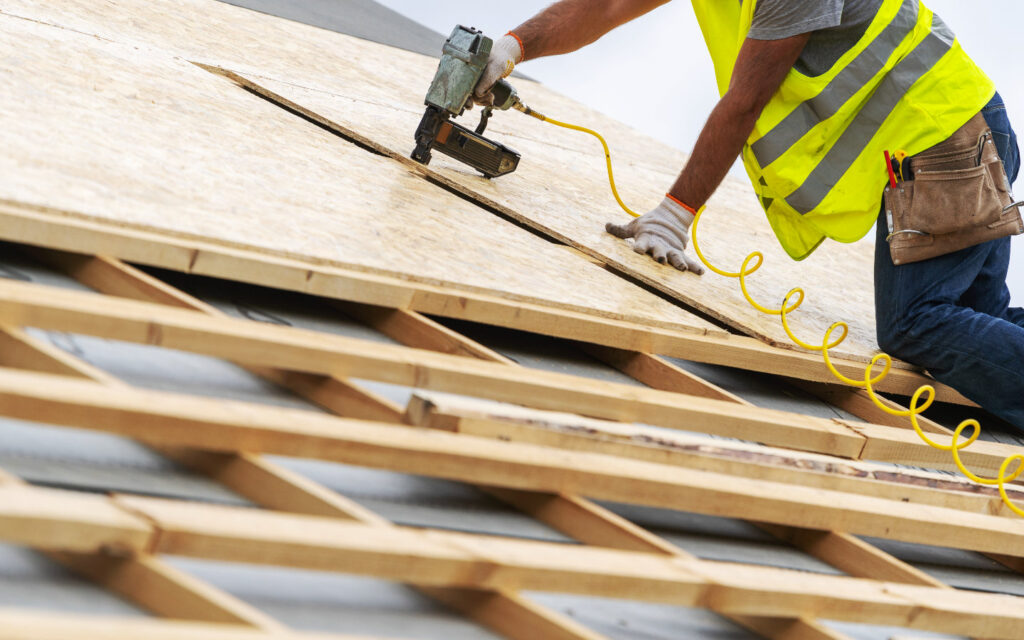
Roof decking, also called roof sheathing, forms the structural surface installed over your home’s rafters or trusses. Roofing materials are attached to or installed over this surface, making the decking an important foundation for the roof above it.
Unfortunately, roof decking can develop damage that isn’t visible until the existing roofing materials are removed.
This is why homeowners may receive an estimate for additional decking repairs during a roof replacement. While unexpected costs can be frustrating, replacing damaged decking is often necessary to create a solid, reliable foundation for the new roof.
Here’s what every homeowner should know about roof decking damage before starting a roof replacement.
What Is Roof Decking?
Roof decking is the layer of material installed over the structural framing of your roof.
It provides a stable surface for installing roofing materials and helps distribute the weight of the roof across the underlying structure.
Common roof decking materials include:
- Plywood
- Oriented strand board (OSB)
- Wood boards
- Other approved structural sheathing materials
The type of decking used depends on the home’s construction, age, roofing system, and local building requirements.
Although you normally cannot see the decking once a roof is completed, its condition is extremely important.
If the decking is weak, rotted, or structurally compromised, installing a new roof over it may not provide the long-term protection homeowners expect.
What Causes Roof Decking Damage?
Several problems can cause roof decking to deteriorate over time.
Long-Term Roof Leaks
Water intrusion is one of the most common causes of decking damage.
When water gets beneath shingles or other roofing materials, it can eventually reach the decking.
Repeated moisture exposure can cause wood-based decking to:
- Rot
- Swell
- Warp
- Soften
- Delaminate
- Lose structural strength
A leak that appears relatively minor from inside the home may have already affected the decking beneath the roofing materials.
Poor Roof Ventilation
Proper attic ventilation helps regulate temperature and moisture levels beneath the roof.
When ventilation is inadequate, excess heat and moisture can accumulate in the attic.
Over time, this environment can contribute to:
- Condensation
- Wood deterioration
- Mold growth
- Premature roofing material failure
Proper ventilation doesn’t guarantee that decking will never develop problems, but it can help create a healthier roofing system.
Storm Damage
Severe weather can damage more than the visible roofing materials.
Hail, high winds, falling branches, and heavy rainfall can compromise shingles or other roofing components and allow water to reach the decking.
After significant storm damage, an inspection should evaluate not only the visible roofing materials but also whether moisture has reached the underlying structure.
Aging Roofing Systems
As a roof gets older, the likelihood of developing leaks and moisture-related problems increases.
Years of exposure to rain, snow, wind, sunlight, and temperature fluctuations can gradually weaken roofing materials and increase the possibility of water intrusion.
An older roof with a history of leaks may have decking damage that isn’t obvious from the exterior.
Improper Installation
Roofing systems depend on proper installation from the beginning.
Poorly installed flashing, inadequate drainage, improperly sealed penetrations, or incorrect roofing techniques can allow water to enter areas where it shouldn’t.
If moisture repeatedly reaches the decking, deterioration can eventually occur.
What Does Damaged Roof Decking Look Like?
Because decking is normally covered by the roofing system, homeowners may not see the damage until the roof is opened during an inspection or replacement.
However, certain warning signs can indicate potential decking problems.
Look for:
- Sagging areas of the roof
- Persistent roof leaks
- Water stains on ceilings
- Soft areas in the attic
- Mold or mildew
- Musty odors
- Dark or discolored wood
- Peeling or damaged interior finishes
- Repeated leaks in the same location
These signs don’t automatically mean the decking is damaged, but they should be investigated.
Can You See Roof Decking Damage From the Ground?
In most cases, no.
Roof decking is located underneath the roofing materials, so a ground-level inspection cannot provide a complete assessment of its condition.
A professional roofer may be able to identify clues from the exterior, attic, or interior of the home, but the full condition of the decking may not become apparent until the existing roofing materials are removed.
This is one reason a roof replacement can sometimes uncover unexpected damage.
Why Damaged Decking Should Be Replaced
Installing new roofing materials over structurally compromised decking can create problems.
The decking needs to provide a stable and secure foundation for the new roofing system.
Damaged decking may:
- Prevent proper fastening
- Allow roofing materials to move
- Increase the risk of future leaks
- Compromise roof strength
- Contribute to premature roof failure
Replacing the affected decking creates a sound surface for the new roof installation.
The goal isn’t simply to make the roof look new. The entire roofing system should have a reliable foundation.
Does All Roof Decking Need to Be Replaced?
No.
Roof decking damage is often localized rather than widespread.
For example, if a long-term leak developed around a plumbing vent, only the decking surrounding that area may be affected.
A roofing contractor can determine whether the decking is:
- Structurally sound
- Repairable
- Partially damaged
- Severely deteriorated
- In need of replacement
The extent of replacement depends on the actual condition of the decking.
Homeowners should be cautious of assuming that every roof replacement automatically requires complete decking replacement.
Why Roof Decking Damage Can Increase Replacement Costs
One of the most common surprises homeowners encounter during a roof replacement is discovering that additional decking needs to be replaced.
This happens because the decking is often hidden beneath the existing roofing materials.
Once the old roof is removed, contractors can inspect the underlying surface more thoroughly.
If damaged areas are discovered, replacing them may add labor and material costs to the project.
A professional roofing estimate should clearly explain how potential decking replacement is handled so homeowners understand what may happen if hidden damage is discovered.
What Should You Ask Your Roofing Contractor?
Before signing a roof replacement agreement, ask your contractor how they handle roof decking.
Useful questions include:
Will the decking be inspected during replacement?
The contractor should explain how the condition of the underlying surface will be evaluated once the old roofing materials are removed.
What happens if damaged decking is discovered?
Ask whether the contractor will photograph the affected areas and explain the recommended repair before continuing.
Is decking replacement included in the estimate?
Some estimates include allowances for potential decking replacement, while others address it as an additional cost if damage is discovered.
What materials will be used?
Ask what type and thickness of replacement decking will be installed and whether it meets applicable requirements.
Will I receive documentation of the damage?
Photos can help homeowners understand why additional work is necessary, particularly when the damaged area wasn’t visible before the project began.
Can Roof Decking Be Repaired Instead of Replaced?
In some situations, a damaged section may be repairable. However, wood that has lost significant structural integrity due to rot, prolonged moisture exposure, or other deterioration generally needs to be replaced rather than simply covered.
A roofing professional should evaluate the condition of the material before determining the appropriate solution.
The objective is to ensure the new roof has a stable surface beneath it not simply to conceal an existing problem.
How to Help Prevent Roof Decking Damage
You can’t eliminate every risk, but proper roof maintenance can reduce the likelihood of serious decking problems.
Homeowners should:
- Schedule regular roof inspections
- Repair leaks promptly
- Keep gutters and drainage systems clear
- Maintain proper attic ventilation
- Inspect the roof after major storms
- Keep trees and branches away from the roof
- Address damaged flashing quickly
- Monitor the attic for moisture or mold
The sooner water intrusion is discovered, the greater the chance of limiting damage to the underlying structure.
Roof Decking and Roof Replacement: What Homeowners Should Expect
A professional roof replacement generally involves more than simply removing old shingles and installing new ones.
The process may include:
- Removing the existing roofing materials
- Inspecting the roof decking
- Identifying damaged areas
- Replacing compromised decking where necessary
- Installing underlayment and other protective components
- Installing the new roofing material
- Inspecting the completed roofing system
The exact process varies depending on the roofing material and condition of the existing roof.
A reputable contractor should explain the process before work begins so homeowners know what to expect.
Don’t Ignore What’s Beneath Your Roof
The visible roofing material is only one part of a complete roofing system. Beneath it, the roof decking provides the foundation needed to support the new roof and help maintain the structural integrity of the system.
Water leaks, poor ventilation, storm damage, aging materials, and installation problems can all contribute to decking deterioration. Because much of this damage remains hidden, homeowners may not discover it until a roof inspection or replacement begins.
If you’re planning a roof replacement, ask your roofing contractor how the decking will be evaluated and what happens if damaged areas are discovered. Understanding this part of the process can help you make informed decisions, avoid surprises, and ensure your new roof is installed over a solid foundation.
Frequently Asked Questions
How long does roof decking last?
Roof decking can last for many years when it remains dry and properly protected. Its lifespan depends on the material, construction, ventilation, moisture exposure, and overall condition of the roofing system.
Does a roof leak always damage the decking?
No. A short-term leak may not cause significant decking damage, while prolonged or repeated moisture exposure can lead to serious deterioration.
Can I replace shingles without replacing damaged decking?
If the decking is structurally compromised in the affected area, installing new shingles over it may not provide a reliable long-term solution. The damaged section should be evaluated and replaced when necessary.
How do I know if my roof decking is rotten?
Common warning signs include persistent leaks, sagging, soft areas, discoloration, musty odors, and visible deterioration in the attic. However, some decking damage cannot be confirmed until the roofing materials are removed.
Is roof decking included in a roof replacement?
It depends on the contractor and the condition of the existing decking. Some estimates include potential decking replacement, while others charge separately for damaged areas discovered during the project.
Why shouldn’t damaged roof decking be covered?
Damaged decking may not provide adequate structural support or secure fastening for new roofing materials. Replacing compromised sections helps create a stable foundation for the new roofing system.