
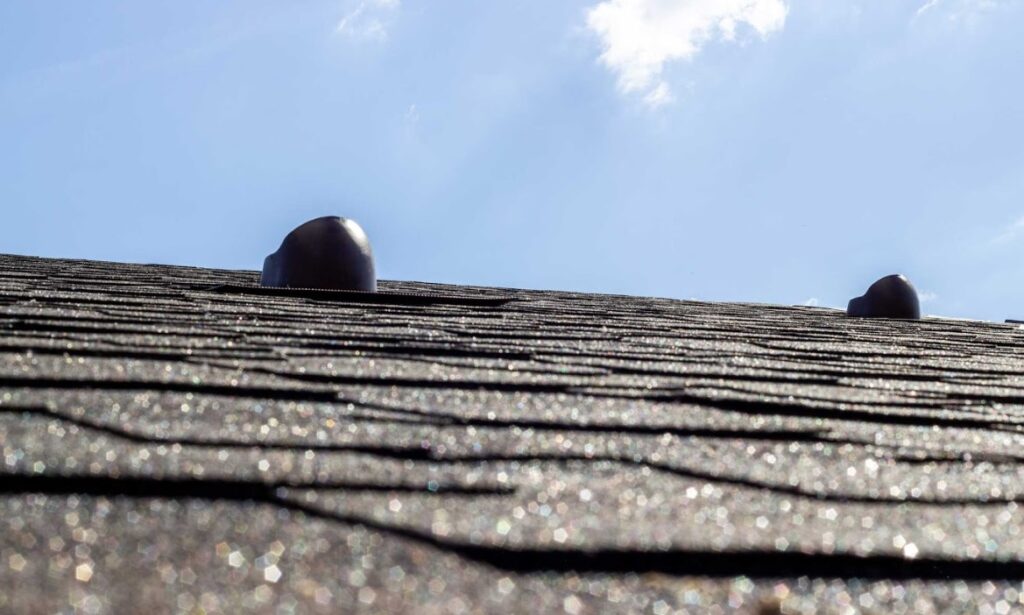
Summer in Sunnyvale, TX brings plenty of sunshine, but it also brings extreme temperatures that can take a serious toll on your roof. While most homeowners worry about storms, hail, and heavy rain, prolonged heat exposure can be just as damaging to a roofing system over time.
Your roof is constantly exposed to direct sunlight and UV radiation, making it one of the most vulnerable parts of your home during the Texas summer. Understanding how high temperatures affect your roof can help you prevent costly repairs and extend the life of your roofing system.
Why Summer Heat Is Hard on Texas Roofs
North Texas summers regularly see temperatures climbing into the 90s and even above 100°F. On particularly hot days, roof surface temperatures can exceed 150°F, especially on darker roofing materials.
These extreme conditions cause roofing materials to expand, contract, dry out, and deteriorate faster than they would in milder climates. Over time, this constant stress can weaken your roof’s ability to protect your home.
For homeowners in Sunnyvale, regular roof maintenance and inspections become especially important during the summer months.
UV Rays Can Accelerate Roof Deterioration
One of the biggest threats to your roof during summer is ultraviolet (UV) radiation.
Day after day, direct sunlight breaks down roofing materials and causes gradual deterioration. Asphalt shingles are particularly susceptible to UV damage because the sun can dry out the oils within the shingles, making them brittle and less effective.
As UV exposure continues, homeowners may notice:
- Cracked shingles
- Curling or buckling edges
- Fading roof color
- Premature aging
- Reduced weather resistance
While these changes may seem cosmetic at first, they can eventually lead to leaks and structural problems.
Thermal Expansion and Contraction
Roofing materials naturally expand when temperatures rise and contract as temperatures cool overnight.
In Sunnyvale’s summer climate, this process occurs every day. Over months and years, repeated expansion and contraction can place significant stress on your roof.
This movement can affect:
- Shingles
- Flashing
- Sealants
- Fasteners
- Roof joints
As materials shift, gaps can develop, creating opportunities for water intrusion and future roof leaks.
Heat Can Shorten the Lifespan of Asphalt Shingles
Asphalt shingles remain one of the most common roofing materials in Texas, but they can be particularly vulnerable to prolonged heat exposure.
When exposed to intense temperatures, shingles may begin losing their protective granules. These granules play an important role in shielding the roof from UV rays and weather damage.
As granule loss increases, shingles become more susceptible to:
- Cracking
- Water penetration
- Wind damage
- Premature failure
If you notice large amounts of granules in your gutters, it may be time to schedule a professional roof inspection.
Poor Ventilation Makes Heat Damage Worse
Many roofing problems start in the attic.
Without proper ventilation, heat can become trapped beneath the roof deck, creating temperatures that are significantly higher than outside conditions. This excessive heat can damage roofing materials from below while also increasing strain on your home’s cooling system.
Poor attic ventilation can lead to:
- Higher energy bills
- Moisture buildup
- Premature roof aging
- Reduced indoor comfort
Proper ventilation helps regulate attic temperatures and protects both your roof and your home.
Summer Storms Can Expose Existing Roof Weaknesses
Summer in North Texas doesn’t just bring heat—it also brings thunderstorms, strong winds, and occasional hail.
If your roof has already been weakened by prolonged sun exposure, these storms can quickly turn minor issues into major damage.
For example, shingles that have become brittle from heat may be more likely to crack or break during high winds. Small gaps caused by thermal movement can also allow water to enter during heavy rain.
This is why many roofing professionals recommend inspections before and after storm season.
Warning Signs of Heat-Related Roof Damage
Many homeowners don’t realize their roof is suffering from heat damage until significant problems develop.
Watch for these common warning signs:
Curling or Buckling Shingles
Shingles that lift at the edges or appear warped often indicate excessive heat exposure and aging.
Granules in Gutters
Large amounts of shingle granules collecting in gutters may signal that your roof’s protective layer is wearing away.
Increased Energy Bills
If your cooling costs continue rising despite normal usage, your roof and attic ventilation may be contributing to energy loss.
Roof Discoloration
Uneven fading or discoloration can indicate UV damage and material deterioration.
Interior Water Stains
Even small leaks can suggest roofing materials have been compromised by prolonged heat and weather exposure.
How Sunnyvale Homeowners Can Protect Their Roof
The good news is that homeowners can take several steps to minimize heat-related roof damage.
Schedule Regular Roof Inspections
Professional inspections can identify small issues before they become costly repairs. Annual inspections are especially important in Texas due to the combination of heat and severe weather.
Maintain Proper Attic Ventilation
Adequate airflow helps reduce heat buildup and extends the lifespan of roofing materials.
Keep Gutters Clean
Proper drainage prevents water from backing up onto the roof during summer storms.
Address Repairs Promptly
Loose shingles, damaged flashing, and minor leaks should be repaired as soon as possible to prevent further damage.
Consider Energy-Efficient Roofing Materials
Modern roofing systems are available with reflective properties that help reduce heat absorption and improve energy efficiency.
Why Summer Is a Great Time for a Roof Inspection
Many homeowners wait until they notice a leak before calling a roofing contractor. Unfortunately, by that point, damage may already be extensive.
Summer inspections allow roofing professionals to identify:
- Heat-related wear and tear
- Storm damage
- Ventilation issues
- Potential leak sources
Addressing these problems early can help prevent expensive repairs later in the year.
The intense summer heat in Sunnyvale, TX can have a significant impact on your roof’s performance and lifespan. From UV damage and thermal expansion to increased energy costs and accelerated aging, prolonged heat exposure can weaken even well-built roofing systems.
Regular inspections, proper maintenance, and timely repairs are the best ways to protect your investment and ensure your roof continues to perform at its best.
If you haven’t had your roof inspected recently, summer is the perfect time to assess its condition and address any issues before they become larger, more expensive problems.